autoplace magazine
Saturday, 10 October 2026 · AucklandPlain-English car advice, checked by qualified technicians. Tap any story to read it.
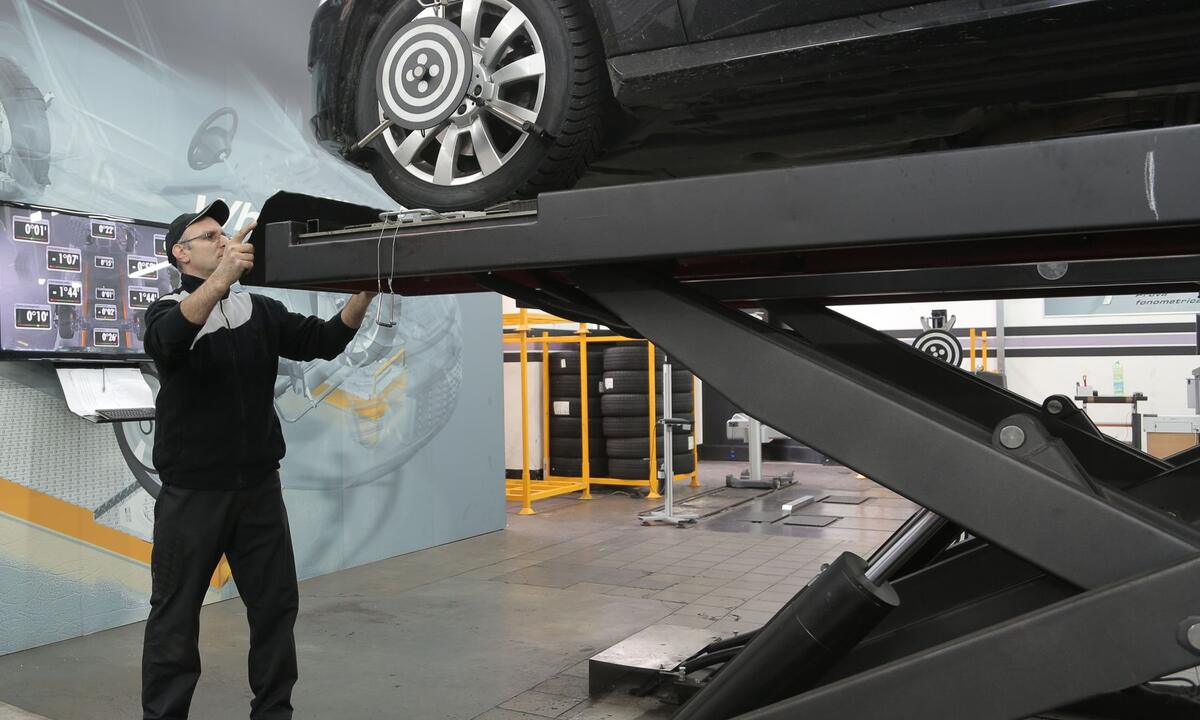
The new WOF rules from 1 November 2026, explained
Many cars move to a WOF every two years. Here's who changes, when, and what still needs checking in between.

Signs your hybrid battery is failing
Fuel use creeping up, the engine running more, and a warning light are the usual signs. A battery health check tells you for sure.

What to do when a repair goes wrong
Your rights under the Consumer Guarantees Act, and the steps to take, in plain English.
All articles
The new WOF rules from 1 November 2026, explained
Many cars move to a WOF every two years. Here's who changes, when, and what still needs checking in between.
Who changes, and when
- New cars: the second WOF is due at four years old instead of three.
- First registered on or after 1 November 2019: every two years until the car turns 14, starting with your first inspection after 1 November 2026.
- First registered 1 November 2013 to 31 October 2019: yearly for now, then every two years from 1 November 2027.
- 14 to 26 years old: yearly, no change.
- First registered before 2000: every year instead of every six months.
Your current WOF doesn't change
The date on your label still stands. The new frequency starts at your first inspection after the change. Use the WOF due date checker to see your exact dates.
Something new gets checked
On cars that have them, the inspector checks that no warning light shows for automatic emergency braking or lane keep assist.
Two years is a long time between checks
A WOF only says the car was safe on the day. Between inspections, check your tyres monthly, walk around with the lights on every few weeks, and keep up the maker's service schedule. Brakes, steering and suspension get looked at properly during a service.
Does my WOF expiry date change on 1 November?
No. Your current WOF stays valid until the date on the label.
Is the age counted from when the car arrived in NZ?
No. It's counted from when the car was first registered anywhere in the world, which for an import is usually its first registration overseas.
Checked by AutoPlace editorial team, checked against NZTA guidance. Updated 4 October 2026.
Signs your hybrid battery is failing
Fuel use creeping up, the engine running more, and a warning light are the usual signs. A battery health check tells you for sure.
Early signs
- Fuel use goes up by more than you'd expect for the season or your driving.
- The engine runs more, including when you're stopped at lights.
- The battery gauge jumps from full to low and back within minutes.
- Less push when pulling away or going up hills.
Signs to act on now
- A "Check hybrid system" or red triangle warning. Read what the hybrid warning means.
- The car won't go into Ready mode.
- A burning or hot electrical smell. Stop somewhere safe and get help.
What to do
Book a battery health check with an approved hybrid specialist. They test each block of the battery and give you a state-of-health score, which is stamped in My garage. Find a hybrid and EV specialist.
Don't forget the small things
A blocked battery cooling fan filter, often under or beside the back seat, can make a healthy battery run hot and act tired. It's a cheap fix, so ask for it to be checked first.
How long do hybrid batteries last?
Many last well over 10 years and 200,000 km. Heat, long periods sitting unused and a blocked cooling fan shorten their life.
Is it safe to keep driving?
With early signs, usually yes, but get it checked soon. If a red warning shows or the car won't go into Ready, stop when it's safe and call for help.
Checked by AutoPlace editorial team. To be checked by a hybrid technician before launch. Updated 5 October 2026.
Hybrid battery: rebuild, replace or secondhand?
Three ways to fix a worn hybrid battery, with what each costs in time, warranty and risk.
New (genuine or OE quality)
- Best for: keeping the car for years.
- Warranty: usually the longest.
- Cost: the highest. Local average: [$ range].
Rebuilt or reconditioned
- The shop replaces weak blocks and balances the rest.
- Best for: an older car you want to keep running for a few more years.
- Ask: how many blocks were replaced, and are they new or used? What warranty comes with it?
- Cost: local average [$ range].
Secondhand or recycled
- Taken from another car, often from a wrecker.
- Best for: a tight budget, and only with a test result before fitting.
- Ask: for the state-of-health score and the km on the donor car.
- Cost: local average [$ range].
How to compare quotes
Approved shops give a written quote first. Compare the grade of battery, the warranty and the tested health, not just the price. Get free quotes.
Is a rebuild worth it?
Often, on a car you plan to keep for two or three more years. On an older car with high km, a full replacement may be better value per year.
Will a new battery fix my fuel use?
If the old battery was the cause, yes. Have the battery tested first so you don't replace a battery that isn't the problem.
Checked by AutoPlace editorial team. To be checked by a hybrid technician before launch. Updated 5 October 2026.
What a hybrid or EV battery health report tells you
The state-of-health score, block voltages and what good, fair and poor mean when you own, buy or sell.
The main numbers
- State of health (SoH): the capacity left, as a percentage of new.
- Weak blocks: blocks that charge or drain faster than the others. One weak block can drag the whole battery down.
- Test method: a full charge and discharge test is the most thorough. A quick scan only reads what the car reports.
Good, fair or poor
- Good (80% and over): normal for most hybrids up to 10 years old.
- Fair (65 to 79%): usable, but re-test in 12 months.
- Poor (under 65%): expect to rebuild or replace it soon. Read rebuild, replace or secondhand.
Why the record matters
In My garage, each test from an approved shop is stamped to your car, so you can see the trend over time. A steady drop is normal. A sudden drop is worth a specialist's look. When you sell, a stamped record shows buyers the battery has been looked after.
Buying a used hybrid or EV
Ask for a recent battery health report, or have one done as part of a pre-purchase inspection.
How often should I test my hybrid battery?
Every year or two once the car is about 8 years old, and before you buy or sell.
Is an EV battery report different?
It measures the same thing, the capacity left. EVs often show it on the dash or in an app, but a shop test is more reliable.
Checked by AutoPlace editorial team. To be checked by a hybrid technician before launch. Updated 5 October 2026.
Hybrid and EV servicing costs in Auckland
What a hybrid or EV service includes, how often you need one, and what drivers nearby usually pay.
Typical costs nearby
- Hybrid or EV service: local average [$ range].
- Hybrid battery health check: local average [$ range].
- 12V battery replacement: local average [$ range].
What a hybrid service adds
- Inverter coolant check and change at the maker's interval.
- Battery cooling fan filter clean.
- A scan of the hybrid system for stored faults.
What an EV service covers
- Brakes, which can seize from too little use. Many EVs need the calipers cleaned.
- Tyres and alignment, which wear faster on heavier cars.
- Cabin filter, coolant and the 12V battery.
Save money
- Follow the maker's schedule, not a one-size-fits-all one.
- Ask for a written quote first and compare it with the local average. Get free quotes.
- Choose a shop that lists hybrid and EV servicing. Find a hybrid and EV specialist.
Do EVs need a WOF?
Yes. EVs need a WOF on the same schedule as other cars.
Can a normal mechanic service my hybrid?
Most can do the routine items. For high-voltage work and battery tests, choose a hybrid and EV specialist.
Checked by AutoPlace editorial team. To be checked by a hybrid technician before launch. Updated 5 October 2026.
What to do when a repair goes wrong
Your rights under the Consumer Guarantees Act, and the steps to take, in plain English.
Step 1: Tell the shop, in writing
Say what's wrong, when you noticed it, and what you'd like done. Keep your invoice and any photos. Most problems end here.
Step 2: Give them a reasonable chance
The law expects the shop to have a chance to fix it. If they fix it properly, that's the remedy.
Step 3: If they won't or can't
You may be able to have another workshop fix it and claim the reasonable cost back. Get a written report from the second shop.
Step 4: Get help
- Booked through AutoPlace? Use Raise a concern in My garage. We review the job record, the written quote and the approvals, and take it up with the shop.
- If the shop is an MTA member, MTA offers free mediation.
- The Disputes Tribunal handles claims without lawyers.
Did I agree to extra work if I said 'just fix it' on the phone?
It's harder to prove what was agreed. That's why AutoPlace shops send extra work for your approval in writing before doing it.
Checked by AutoPlace editorial team. General information, not legal advice. Updated 28 September 2026.
When should I replace my tyres?
The legal minimum, the safer point to replace them, and the warning signs that matter more than age.
Check the tread in a minute
Look for the small raised bars inside the grooves. They are the wear markers. When the tread is level with them, it's time for new tyres. A cheap tread gauge from a parts store is more exact.
Signs that matter more than tread
- Bulges or lumps on the sidewall
- Cracking in the rubber, common on cars that sit outside a lot
- Wear on one edge only, which usually means the wheel alignment is out
- A tyre that keeps losing air
Make them last
Check pressures monthly, using the figure on the sticker inside the driver's door. Rotate front to back at each service, and get an alignment if the car pulls to one side.
What new tyres cost
Prices vary a lot by size and brand. See tyre prices by size for local averages, then get a written quote.
Do I have to replace tyres in pairs?
It's best to replace both tyres on the same axle together so the car brakes and handles evenly.
Checked by Checked by a qualified tyre technician. Updated 20 September 2026.
How often should I service my car?
The short answer is whatever your car's maker says. Here's how to find that, and what a proper service includes.
Find your car's schedule
It's in the service book or owner's manual, usually as a distance and a time, such as every 10,000 km or 12 months. Imported cars sometimes come without a book. A good workshop can look up the maker's schedule from the model and engine code.
Basic service or logbook service?
- Basic service: oil and filter change, plus a safety check of tyres, brakes, lights and fluids.
- Logbook service: everything on the maker's list for that distance, such as spark plugs, cabin filter, brake fluid or transmission fluid.
Ask for a written quote that names the service and lists what's included. Every AutoPlace Approved shop does this as standard.
Why the time limit matters too
Oil breaks down over time even if you hardly drive. A car that does 4,000 km a year still needs a yearly oil change.
Keep the record
A stamped service history helps the car's resale value and any warranty claim. Services booked through AutoPlace are logged in My garage automatically.
Can any workshop service my car without voiding the warranty?
In most cases, yes, as long as the work follows the maker's schedule and uses parts and oil that meet the maker's spec. Keep the invoices.
Checked by Checked by a qualified automotive technician. Updated 12 September 2026.
My brakes squeal or grind. What does it mean?
Some noises are harmless. Others mean metal on metal. How to tell the difference, and what to ask the shop.
Squeal, grind or pulse?
- Squeal on every stop: many pads have a small metal tab that squeals when they're nearly worn. Book a check soon.
- Grinding: often the pad material is gone. Get it looked at now.
- Pulsing pedal or shaking wheel when braking: the discs may be warped or uneven.
- Soft or sinking pedal: could be air or a leak in the brake fluid. Don't drive it far.
Pads or discs?
Pads wear first. Discs can sometimes be machined smooth, but if they're below the maker's minimum thickness they must be replaced. Ask the shop to show you the measurement.
Get the quote in writing
A fair brake quote lists the parts and labour separately. Compare it with the local average on Is my quote fair?
How long do brake pads last?
Often 30,000 to 70,000 km, depending on the car and how you drive. City driving wears them faster.
Checked by Checked by a qualified automotive technician. Updated 5 September 2026.
Does a hybrid need special servicing?
Most of a hybrid service is the same as any car. A few extra items need a workshop that knows hybrids.
What's the same
Engine oil and filter, air and cabin filters, tyres, lights, suspension and brakes. Use the oil grade the maker lists, which for many Japanese hybrids is a thin 0W-20 or 0W-16.
What's different
- Inverter coolant: a separate cooling circuit for the hybrid electronics, with its own change interval.
- Battery cooling fan and filter: usually under or beside the back seat. A clogged filter makes the battery run hot.
- High-voltage checks: only trained technicians should work on the orange cables.
Battery health
Hybrid batteries often last well over 10 years. A workshop with the right scan tool can test each part of the battery and tell you how it's doing before you buy or sell.
Can any mechanic service my hybrid?
Most can do the routine items. For high-voltage work and battery tests, choose a shop that lists hybrid and EV servicing.
Checked by Checked by a hybrid-certified technician. Updated 28 August 2026.
Buying a used car? Get a pre-purchase inspection first
What an inspection covers, what you can check yourself, and the paperwork to ask the seller for.
Before you book the inspection
- Run a rego check for money owing, stolen status and odometer history.
- Ask for the service history. Gaps or no records are worth asking about.
- Check the WOF and rego dates.
What the inspection covers
Engine leaks and noises, gearbox, brakes, steering, suspension, tyres, rust, signs of accident repair, and a diagnostic scan. For hybrids, ask for a battery health test too.
On the test drive
Start the car from cold if you can. Listen for knocks, feel for pulling or vibration, and try the air conditioning.
After you buy
Add the car to My garage. Its WOF, rego and service dates are tracked from day one.
Will a seller let me get an inspection?
A seller with nothing to hide usually will. If they refuse, treat it as a warning sign.
Checked by AutoPlace editorial team. Updated 15 August 2026.